2026 Society for Risk Analysis (SRA-E), Alicante, Spain
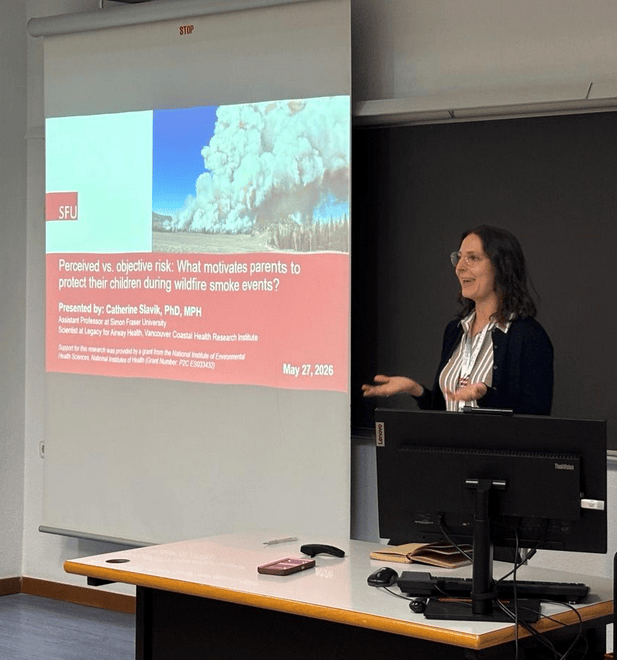
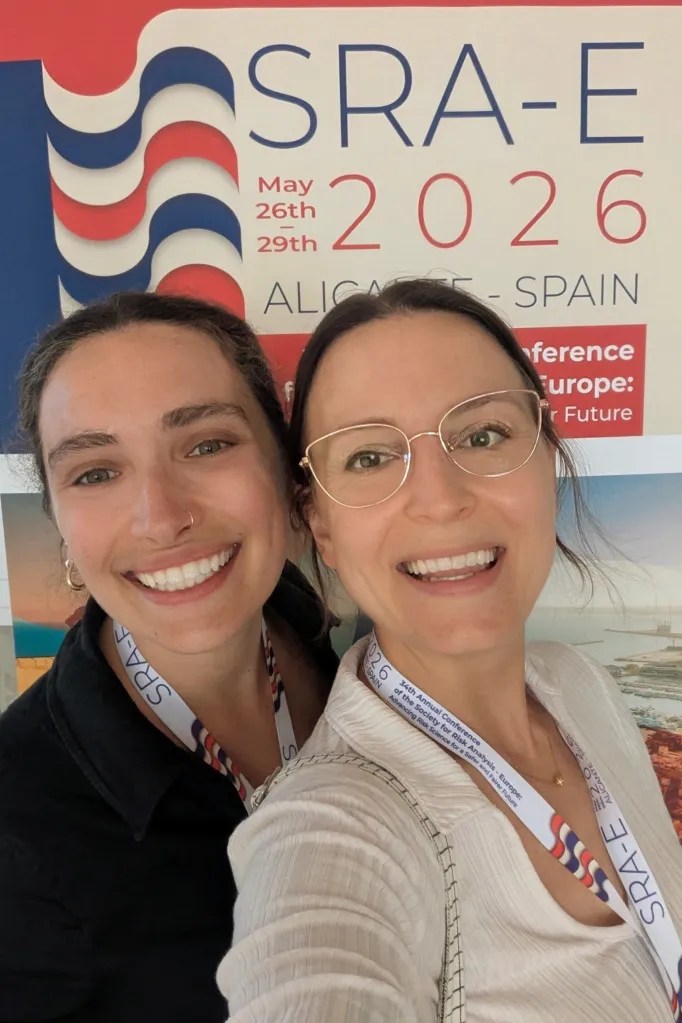
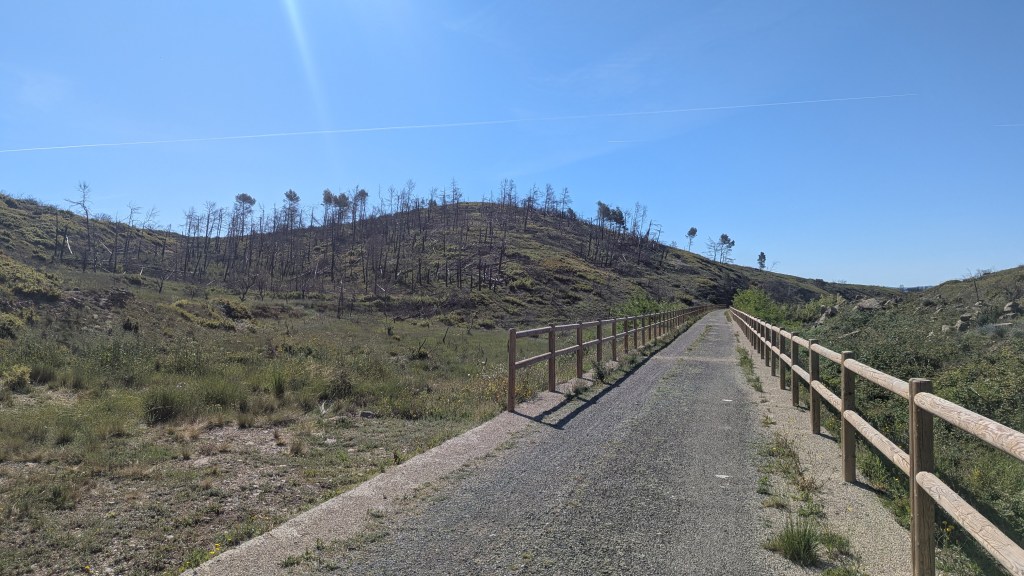
In May 2026, I attended the Society for Risk Analysis Europe conference in Alicante, Spain, where I presented findings from our research examining how parents’ perceptions of wildfire smoke exposure, compared with objectively measured exposure, influence protective behaviours. It was great to attend another SRA conference with my former University of Oregon colleague, Dr. Alex Segrè Cohen, and to make new connections with researchers in Spain that have sparked some exciting collaborations. While cycling in the region, I also encountered landscapes scarred by previous wildfires, serving as an important reminder of the challenges posed by fire and smoke well beyond North America.
2026 Indigenous Fire Stewardship Implementation Dialogue, Esk’etemc, BC
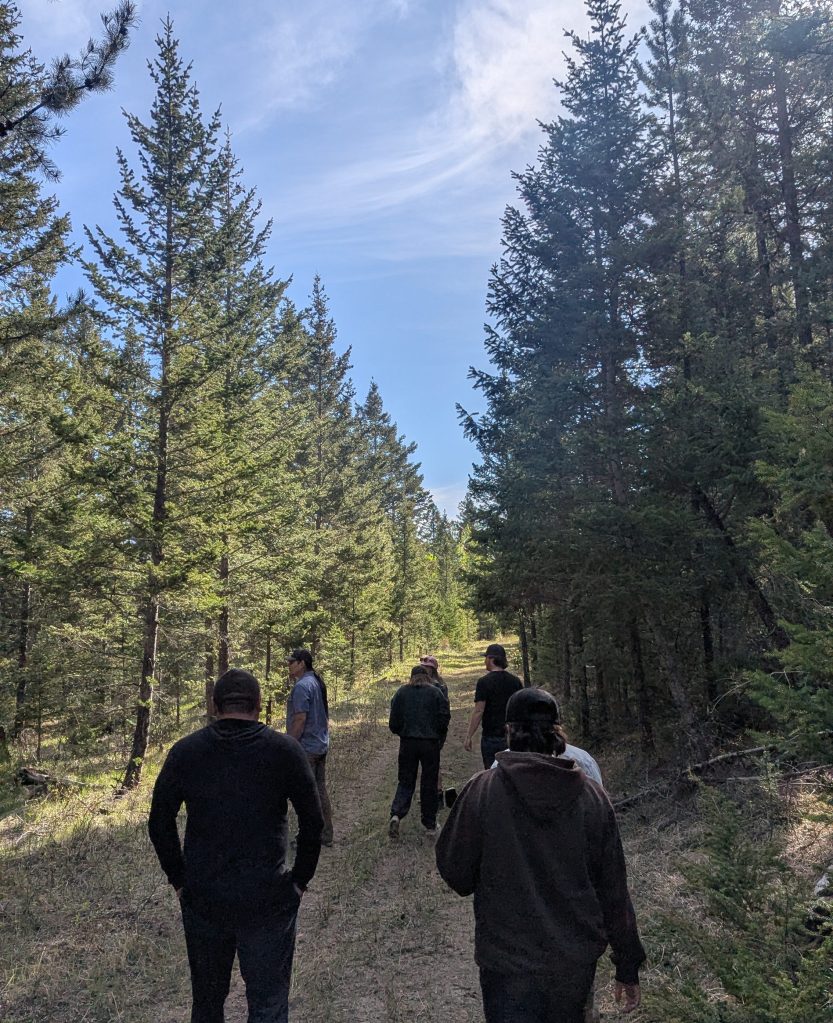
In May 2026, I participated in the Esk’etemc Cultural Burning Implementation Dialogue, held in Esk’etemc and co-hosted by SFU’s Mitigating Wildfire Initiative and the First Nations’ Emergency Services Society. I facilitated a discussion exploring perceptions of wildfire and cultural burning smoke and implications for public-facing communication. We also had the opportunity to tour the land with our host, Esk’etemc Hereditary Chief Francis Johnson (T7exwemneq’t), who showed us how cultural burning is being revitalized in the community and shared the history of his community’s generations of land stewardship.
2025 Society for Behavioral Medicine (SBM), San Francisco CA
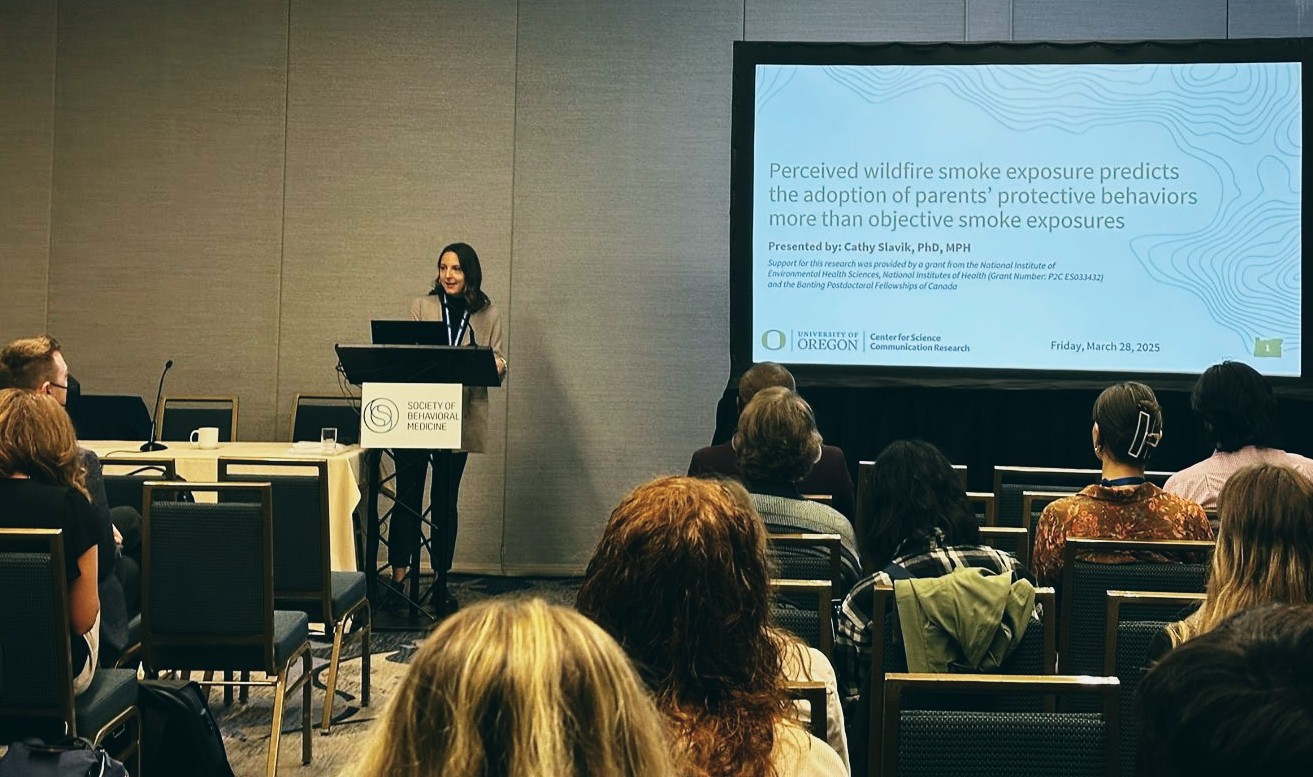
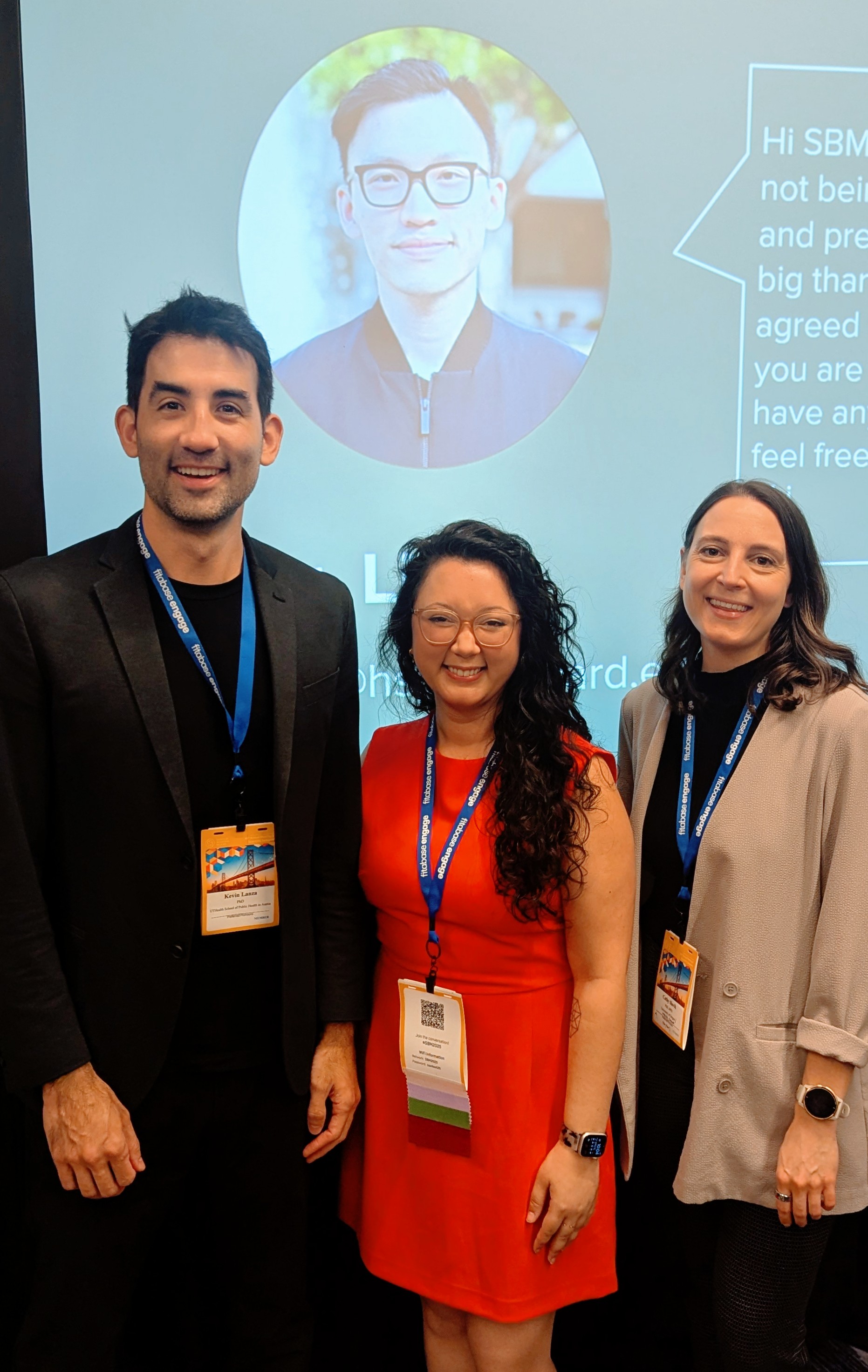
This was my second time attending SBM’s annual meeting and it was great to see some familiar faces! Together with Drs. Kevin Lanza (UTHealth Houston), Li Yi (Harvard), and Brooke Bell (California EPA) we presented a Symposium titled “The climate context: Bidirectional relationships between health behaviors and planetary health”. The Symposium showcased our research on how climate change and environmental factors influence health behaviors, covering topics like the effects of greenspace and extreme heat on physical activity, wildfire smoke-protective behaviors, and pro-environmental actions like reducing red meat consumption.
2025 Cascadia Symposium on Environmental, Occupational, and Population Health, Blaine WA
In January I attended the 2025 Cascadia Symposium on Environmental, Occupational, and Population Health. What a terrific way to connect with other researchers dedicated to addressing environmental health, especially against the stunning backdrop of the ocean and mountains in scenic Washington state! Glad I could finally give some much-deserved ‘exposure’ to my project on risk communication using radon maps—fitting, since it’s the project that brought me to Oregon as a Banting Postdoctoral Fellow in the first place! It was a joy to share the findings from this work, which was done in collaboration with researchers at the University of Oregon and the BC Centre for Disease Control.

2024 Society for Behavioral Medicine (SBM), Philadelphia PA
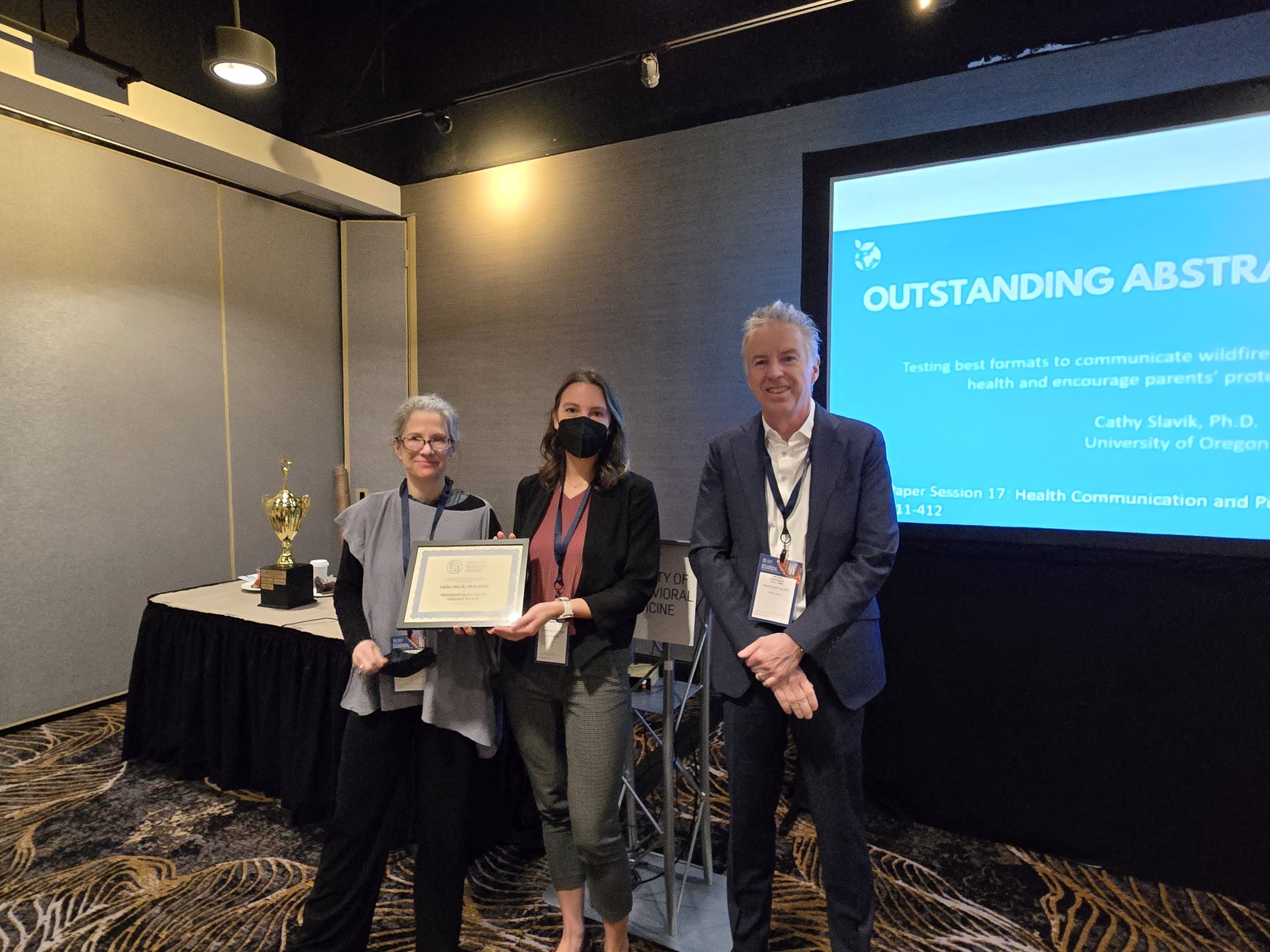
In March 2024, I attended the Society for Behavioral Medicine’s annual meeting to present on “Testing Best Formats to Communicate Wildfire-smoke Risks to Children’s Health and Encourage Parents’ Protective Behaviors”, summarizing findings from our research on air quality communications. I was awarded the Outstanding Climate Change and Health Research Abstract for this work and got to meet some other incredible researchers studying ways that behavioral science can be applied to complex environmental and public health challenges!
2023 Society for Risk Analysis (SRA), Washington DC
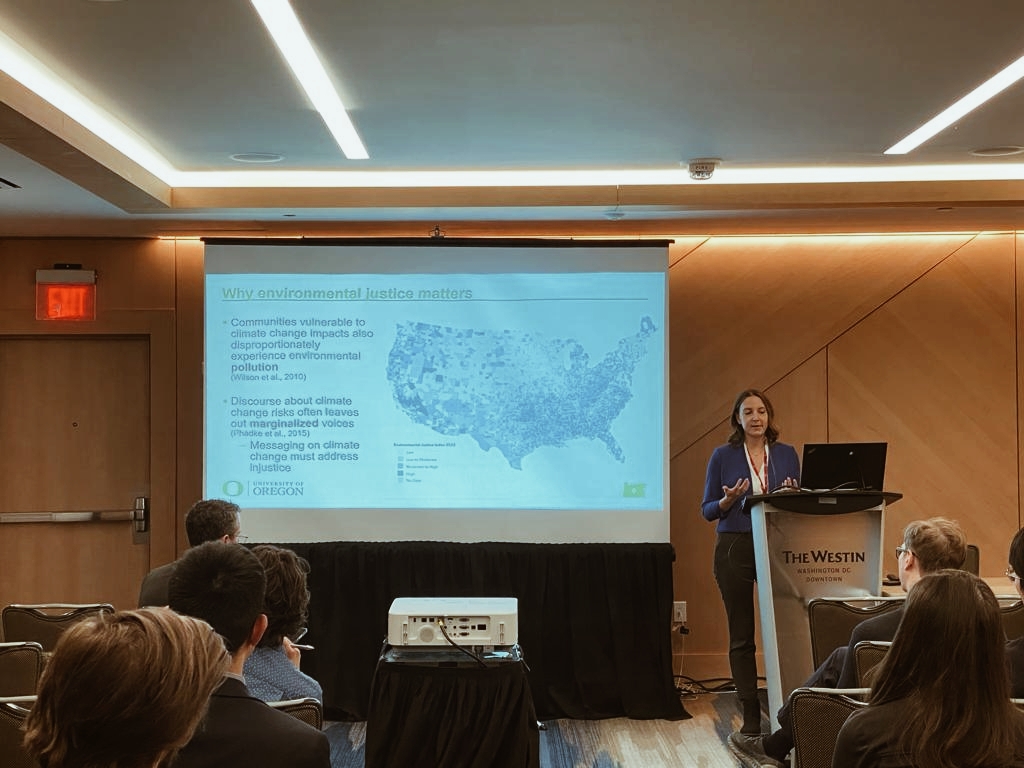
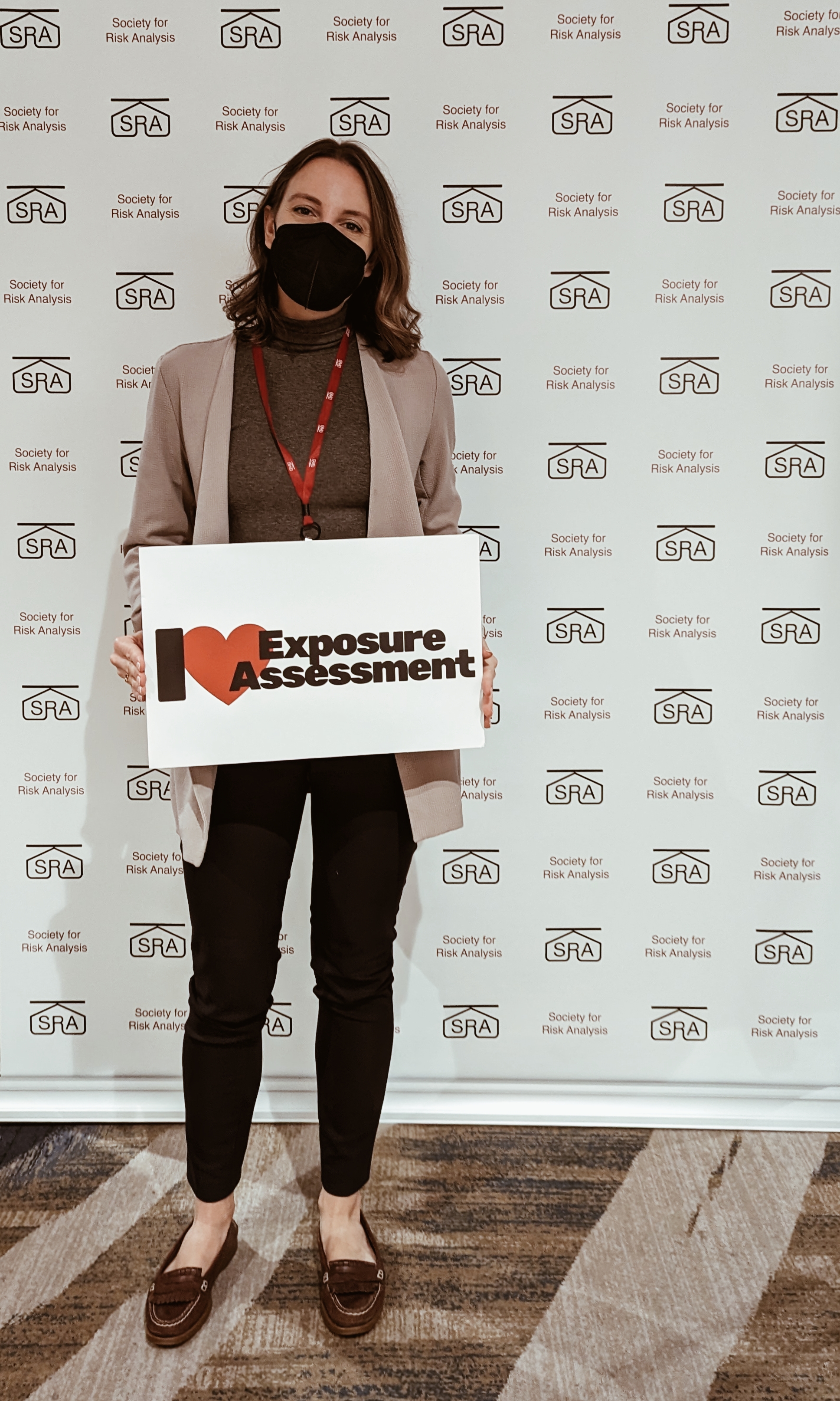
In December 2023, I attended SRA’s annual meeting for the first time to share results from two projects titled, “Mapping proximity to environmental injustices and risk perceptions of climate change” and “Using Twitter to evaluate wildfire smoke risk communications in Oregon and Washington” with my colleague from the University of Oregon, Dr. Alex Segrè Cohen. We had a blast!
ASPIRE Center Ignite Research Colloquium, Oregon State University, Corvallis OR
In October 2023, I got to share some preliminary results at Oregon State University (OSU) from a research project I led on air quality communications. This project was generously funded through OSU’s ASPIRE pilot project program. To learn about this work, check out the video below! The full seminar is available on YouTube. (https://youtu.be/wmM1gQPQT9M?si=uQKU0bkzKoCQoL2r)

