Current Projects
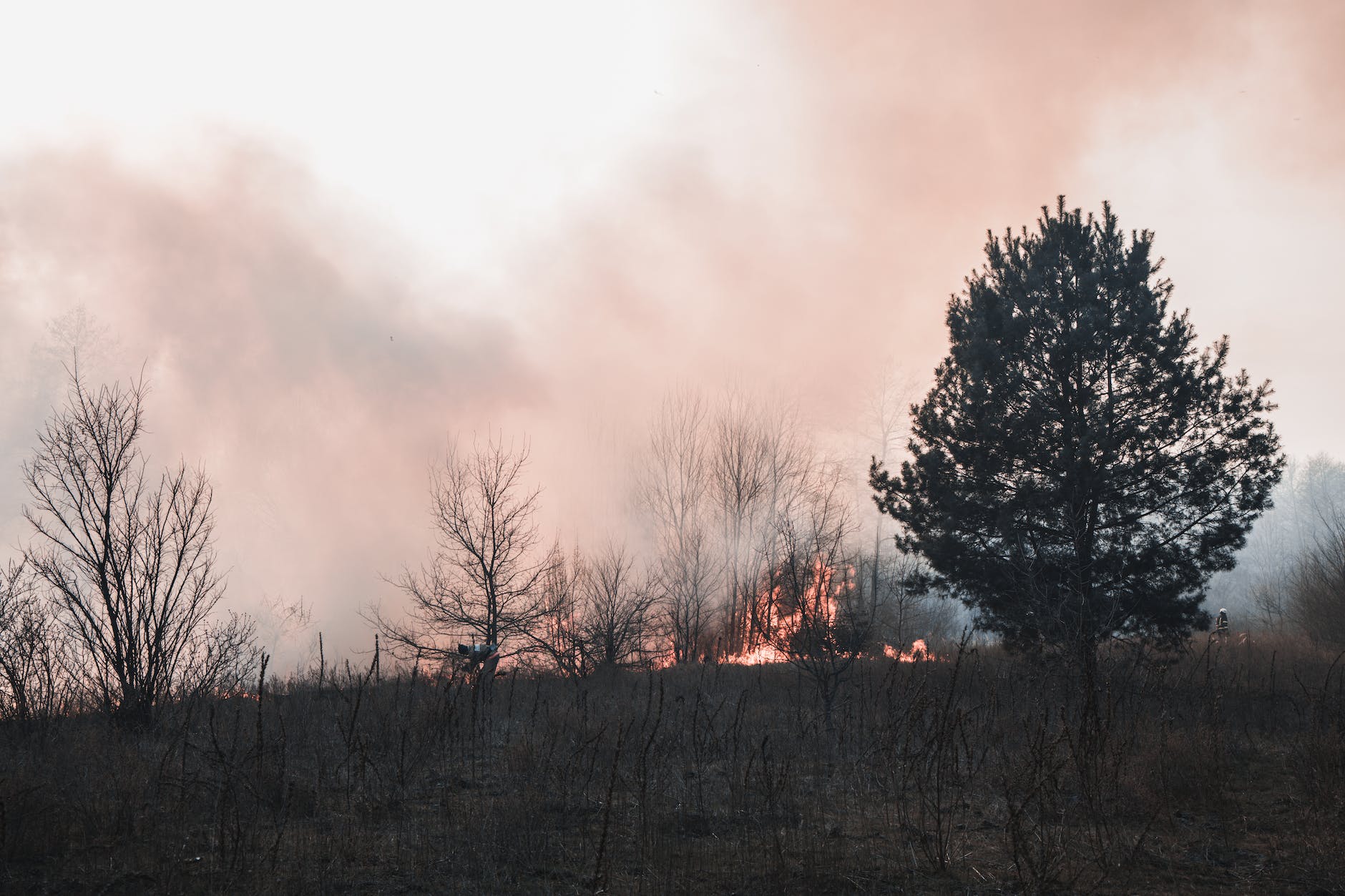
Encouraging parents’ protective action against wildfire smoke
Complete
This project aimed to improve communication about wildfire smoke risks to children’s health and better understand what motivates parents to take protective action. Across three studies, we examined how parents interpret visual air quality information, what influences their use of Air Quality Indexes and smoke-safe behaviours, and how perceived versus objectively measured smoke exposure relates to protective action.
Our first study, published in Environmental Research Communications, found that some graphical presentations of air quality information may be better at getting parents to recognize the risks that moderate levels of wildfire smoke may pose to children’s health.
https://doi.org/10.1088/2515-7620/ad5931
Our second study, published in Population and Environment, explored regional differences in parents’ use of air quality indexes. Prior smoke-related health impacts and use of online sources of smoke information (e.g., apps) appeared to drive parents’ use of–and adherence to–air quality indexes during wildfire smoke events.
https://doi.org/10.1007/s11111-025-00491-w
Our third study, published in Environmental Challenges, found that parents’ perceptions of wildfire smoke exposure (e.g., seeing or smelling smoke) were more strongly associated with their adoption of protective behaviours than objectively measured smoke exposure. These findings highlight the importance of connecting air quality data with the sensory cues people rely on to assess smoke risks, particularly because harmful smoke exposure can occur even when smoke is not visible or detectable by smell.

Understanding and addressing radon risks to lung health
In Progress
This project examines how people perceive and respond to radon and lung cancer risks, with the goal of informing more effective risk communication and public health policies. Across three studies, we investigate how radon risk maps influence home testing intentions, public support for radon testing and mitigation policies, and how people’s perceptions of lung cancer risk relate to their actual risk factors and willingness to take protective action.
Our first study, published in Public Health, evaluated whether viewing a radon risk map influences people’s intentions to test their homes. We found that maps increased testing intentions among residents of medium-high and high radon risk areas, but slightly reduced intentions among non-smokers in the lowest-risk areas. These findings highlight both the potential benefits and unintended consequences of using maps to communicate radon risks.
https://doi.org/10.1016/j.puhe.2025.106103
Our second study examines public support for policies requiring radon testing and mitigation in British Columbia’s schools and childcare facilities. This work explores factors associated with policy support and identifies opportunities to strengthen existing radon prevention policies.
Our third study will explore how people’s perceptions of their lung cancer risk compare with an index of established risk factors, including smoking, radon potential, air pollution, and occupational exposures. We will also examine how these perceptions relate to people’s willingness to take action to reduce radon exposure in their homes.

Wildfire smoke communication in healthcare and public health settings
In Progress
Wildfire smoke poses growing public health challenges, but recommendations to reduce exposure are not always straightforward to apply, particularly when people face competing health priorities and practical constraints. This project explores how healthcare and public health professionals interpret and communicate wildfire smoke guidance to patients and community members, and how this guidance can better account for individuals’ needs and circumstances. Ultimately, this research aims to inform more practical, evidence-based, and patient-centered communication strategies that support informed decision-making and protective action during wildfire smoke events.

Artificial intelligence in environmental health communication
In Progress
This project explores the opportunities and challenges of using artificial intelligence (AI) to communicate environmental health information. Through a scoping review of existing research and available AI tools, we aim to examine how AI-based approaches have been used and evaluated in this context, identify potential benefits and limitations, and highlight opportunities for future research.

Smoking cessation practices among oral health professionals
In Progress
Oral health professionals are well positioned to support patients in quitting smoking through routine clinical encounters. This project examines the knowledge, attitudes, and practices of Canadian dentists and dental hygienists related to smoking cessation counselling. We aim to better understand the factors that enable or hinder their engagement in smoking cessation activities, including discussions about tobacco use, advice to quit, and referrals to cessation support services.

Public health social media communications during wildfire smoke events
Complete
The goal of this project was to investigate how public health officials and agencies used social media to communicate health risk information about wildfire smoke in Oregon and Washington. Findings have been published in BMC Public Health.
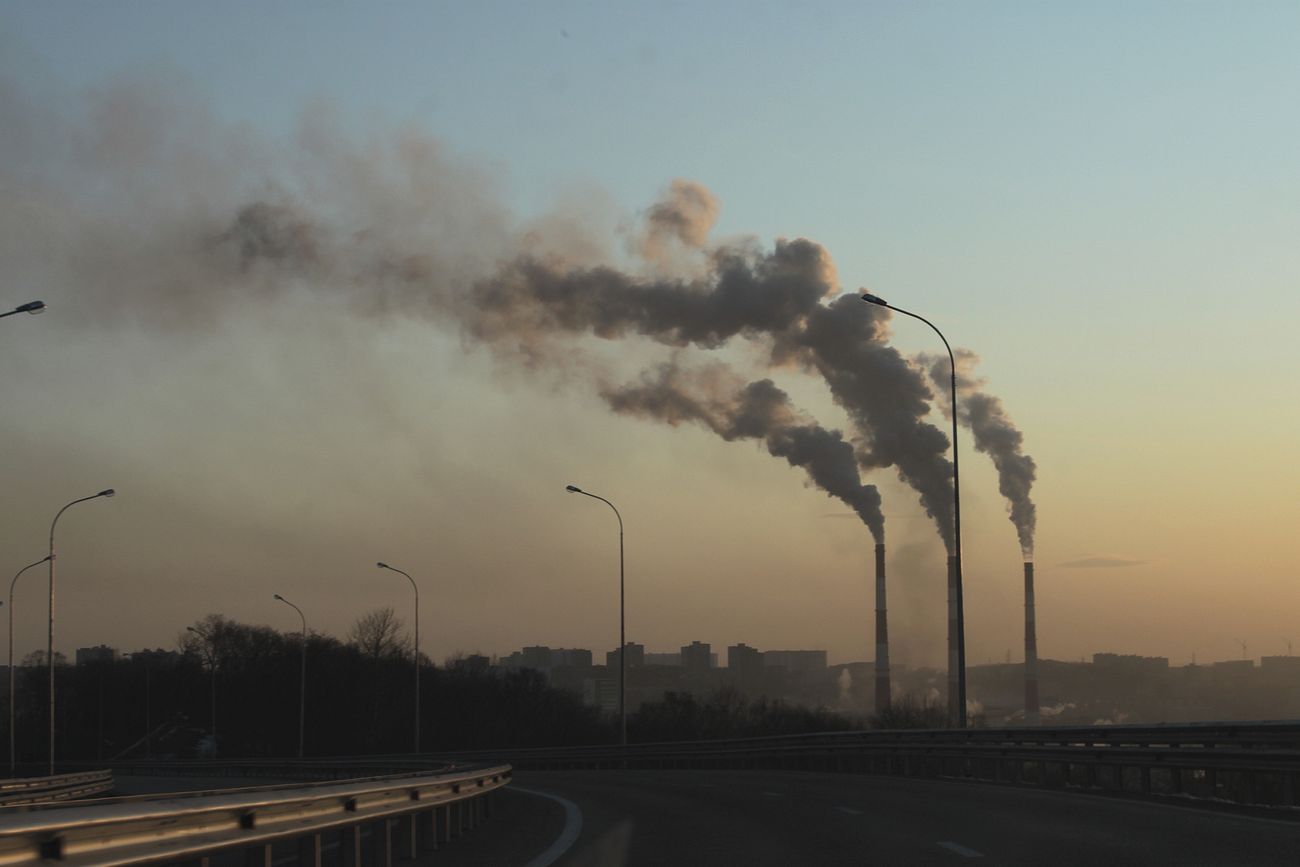
Visual communications of environmental injustice
In Progress
This project aims to uncover how the display of unequal environmental burdens using
geographic maps and other visual formats affects citizens’ understanding of
environmental injustice and motivates the adoption of actions to prevent environmental exposures.
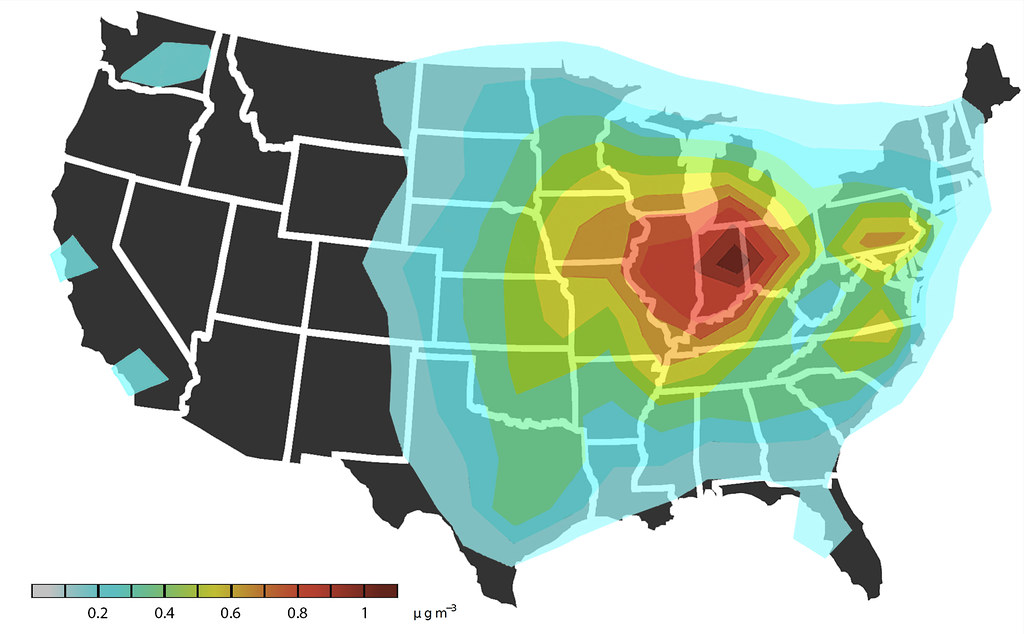
Opportunities and challenges for environmental health risk communication using geo-visualizations
Complete
The purpose of this project was to synthesize research from the cognitive sciences and cartography on principles of
effective data visualization that could be applied to public health education for environmental health risks. Findings have been published in Current Environmental Health Reports.

